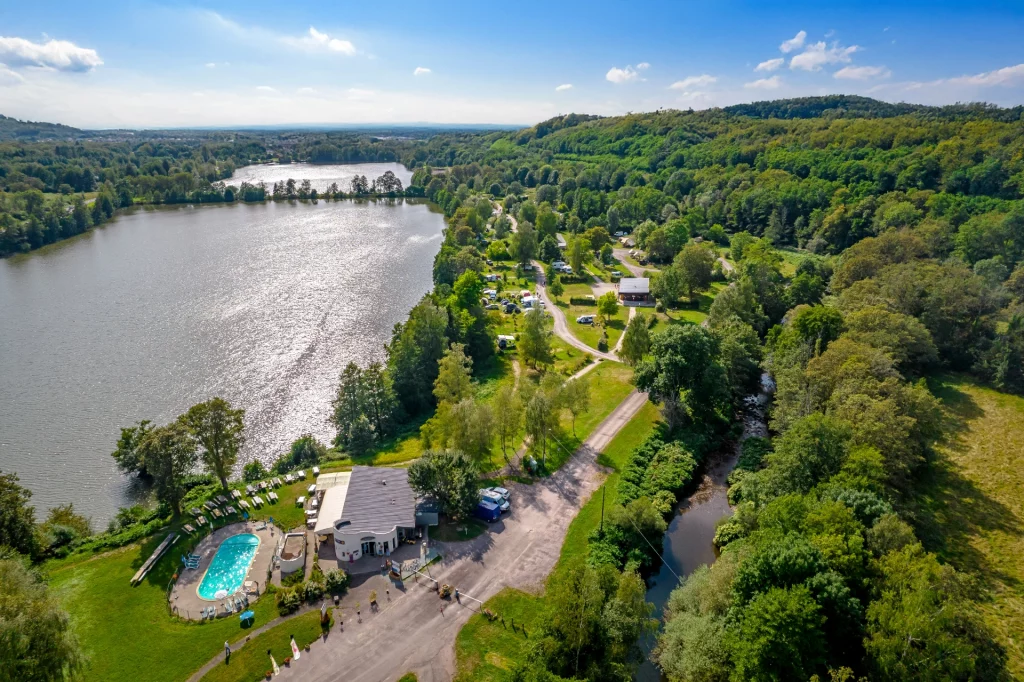

Culture, heritage and walks from the heart of the campsite
Cultural visits Around the campsite
near the Parc des Ballons des Vosges
Tours to explore the local wealth
A cultural and historical experience to discover in Burgundy-Franche-Comté, south of the Ballons des Vosges Regional Nature Park…
Take advantage of a stay at Les Ballastières campsite in the southern Vosges to explore a multitude of places and landscapes.
Our campsite in Champagney in Haute-Saône invites you to discover Burgundy-Franche-Comté, a region with many facets.
From the campsite near Belfort – Cultural visits
Emblematic sites just a stone’s throw from the campsite
Our campsite near Belfort is the ideal place to discover the region’s emblematic cultural sites during a pleasant stroll.
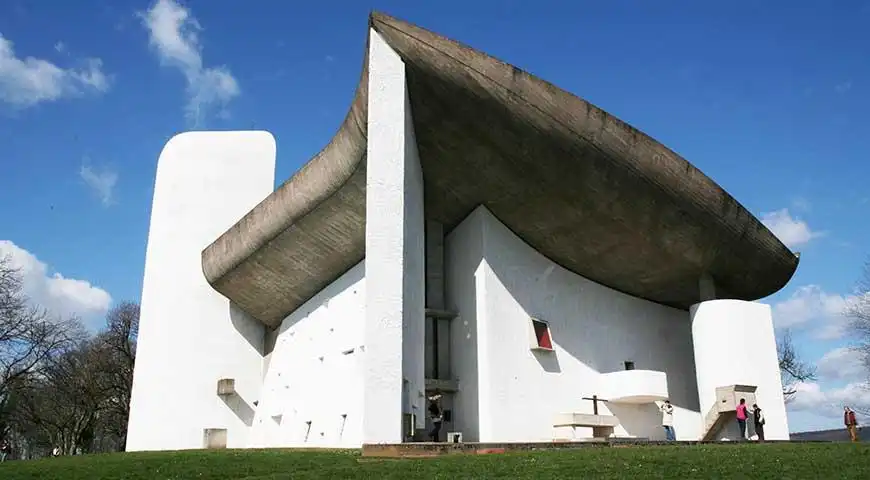
5 km away, nestled on the Notre Dame Le Haut hill in Ronchamp, the Chapelle Le Corbusier is a visit not to be missed.
Listed as a UNESCO World Heritage site, the famous architect Le Corbusier made it a must-see in Haute-Saône.
At the same time, enjoy the breathtaking view of the Ballons des Vosges Natural Park!
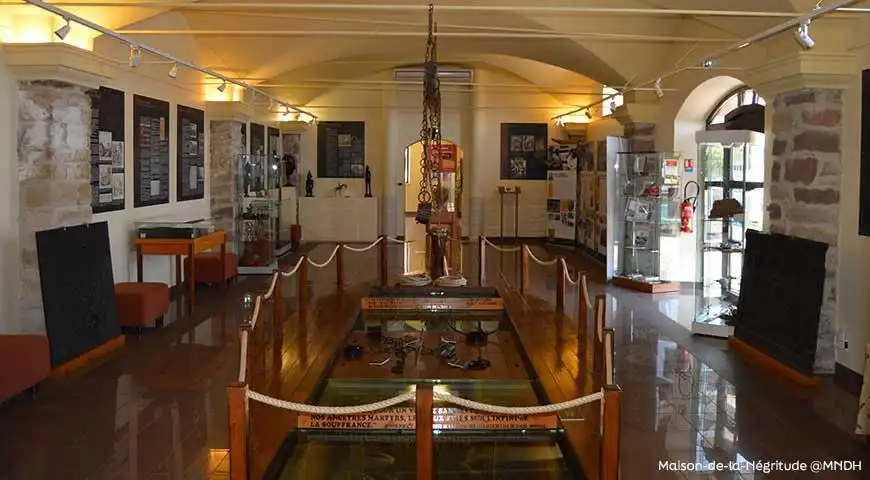
House of Negritude and Human Rights in Champagney
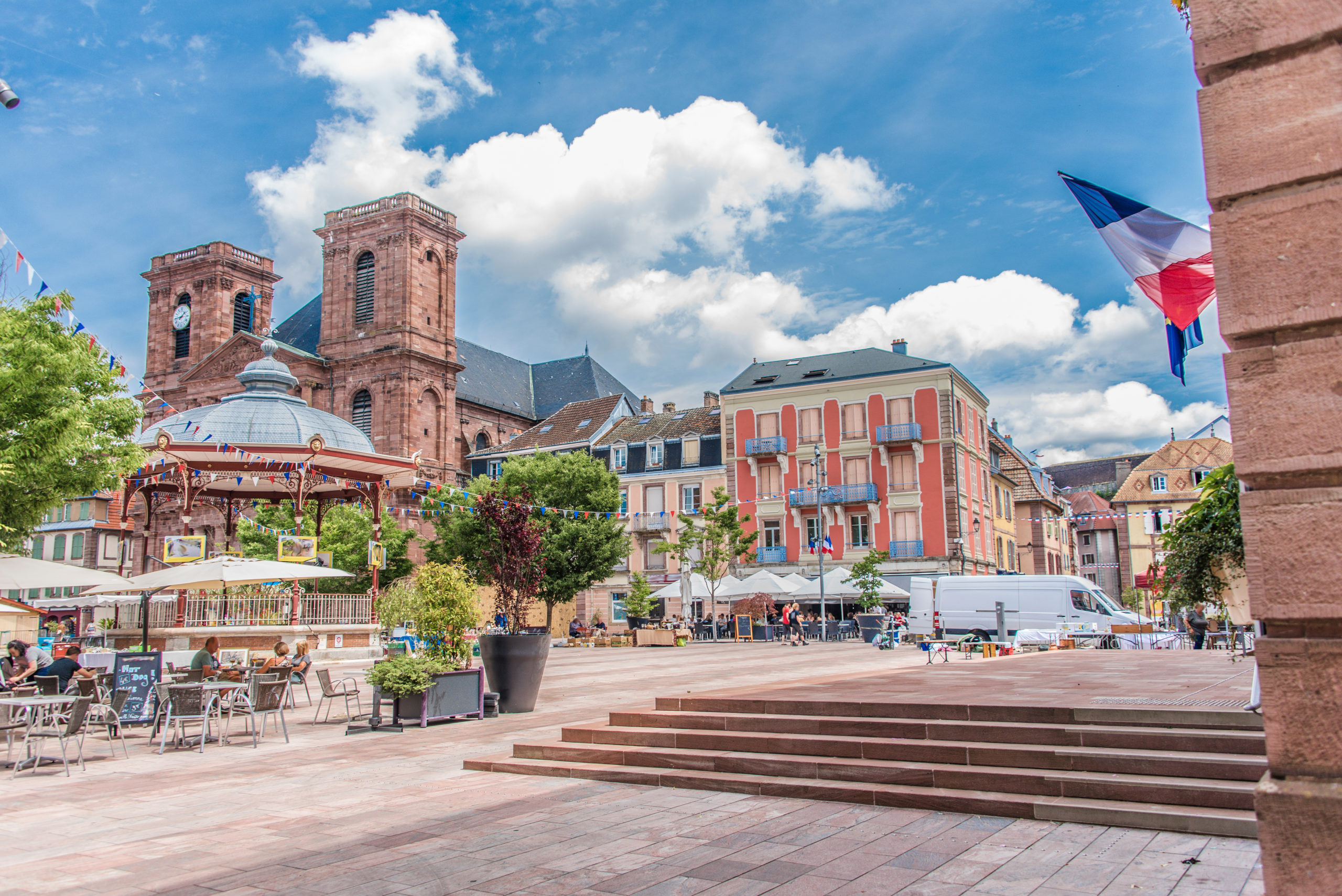
Just 1 km away, the Maison de la négritude et des droits de l’homme in Champagney, a museum and memorial to black slavery and its abolition, tells the story of one of the few French village communities to condemn slavery.
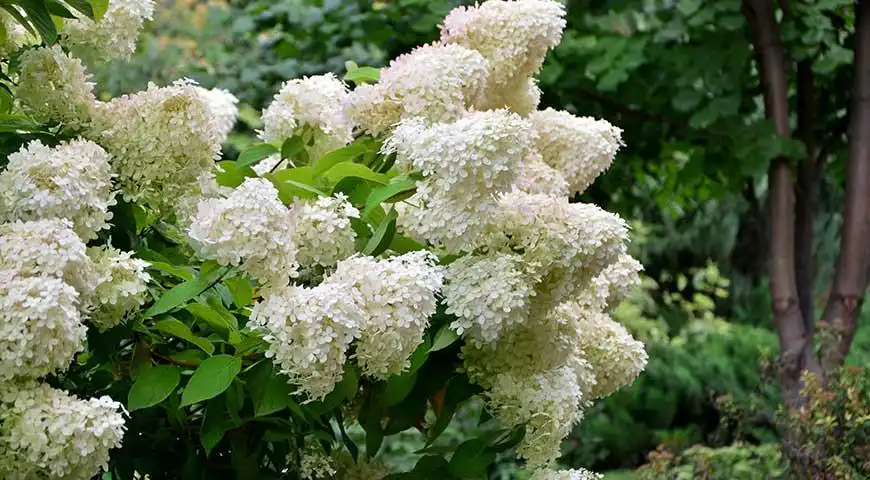
Le Jardin des Rouges Vis in Frahier
9 km away, the Jardin des rouges vis in Frahier offers a botanical and rural tour of a 1.5-hectare park featuring a variety of vegetation, for a peaceful moment in the heart of nature. A short stroll along the canal to the port of Frahier is just around the corner!
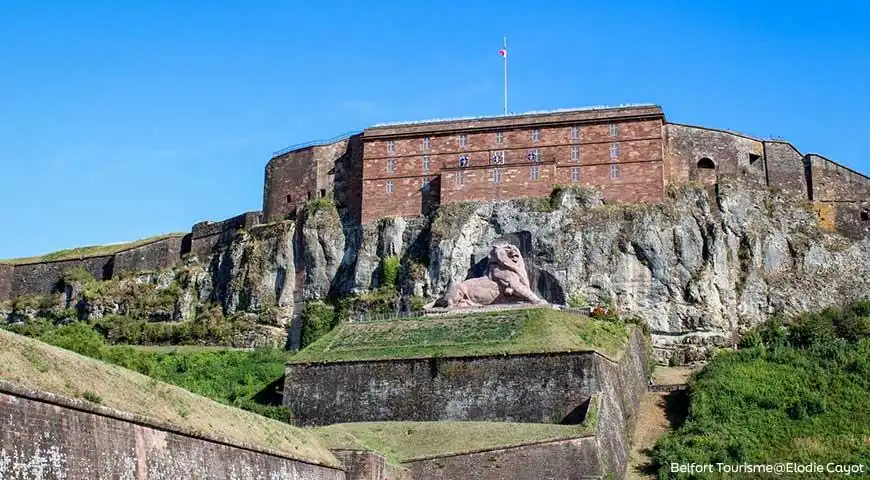
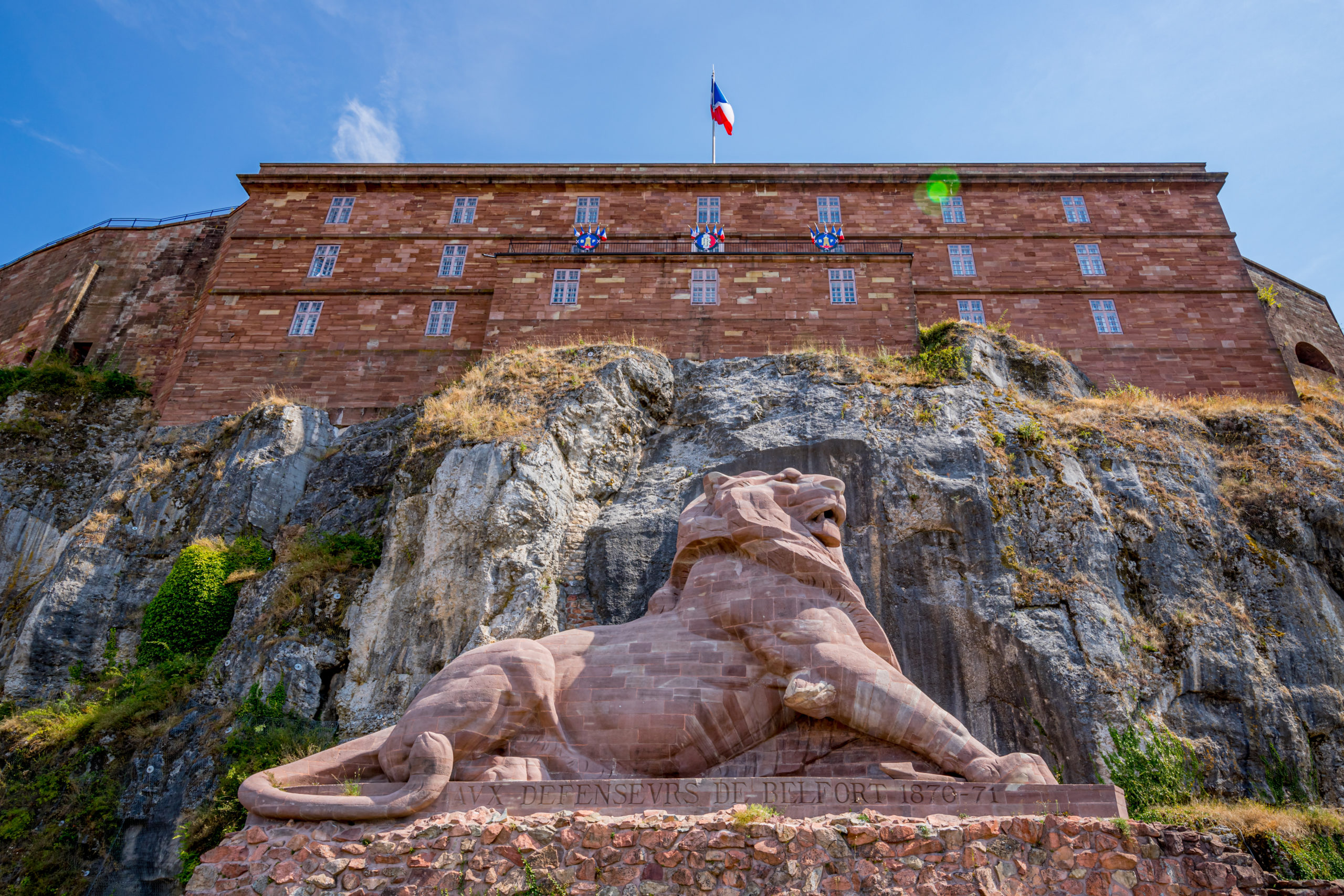
Bartholdi’s lion in Belfort
20 km away, visit the city and territory of Belfort with its citadel, Bartholdi’s Lion, its stronghold and surrounding forts, enjoy a relaxing break in nature at the Etang des Forges and at the summit of the Massif du Salbert.
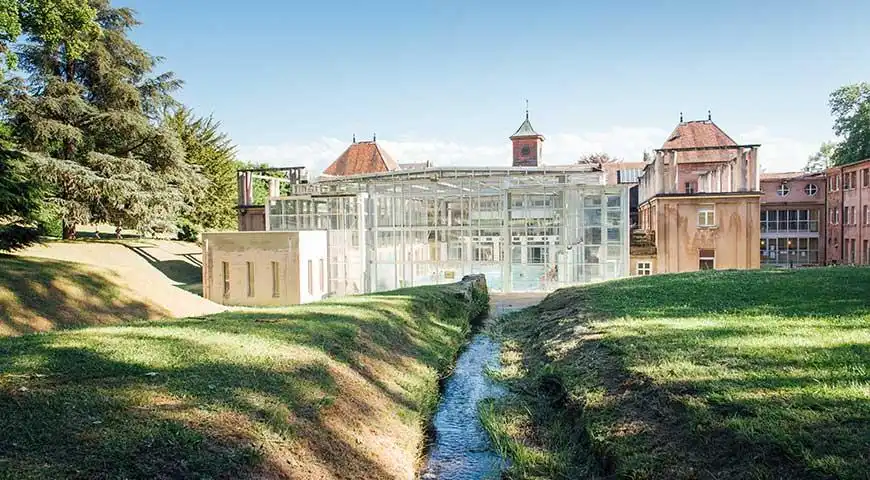
Luxeuil-les-Bains
35 km away, explore Luxeuil-les-Bains, where the Ecclesia traces its 2,000-year history, a spa town with a remarkable heritage! A 1h30 urban stroll takes you to discover its emblematic monuments…
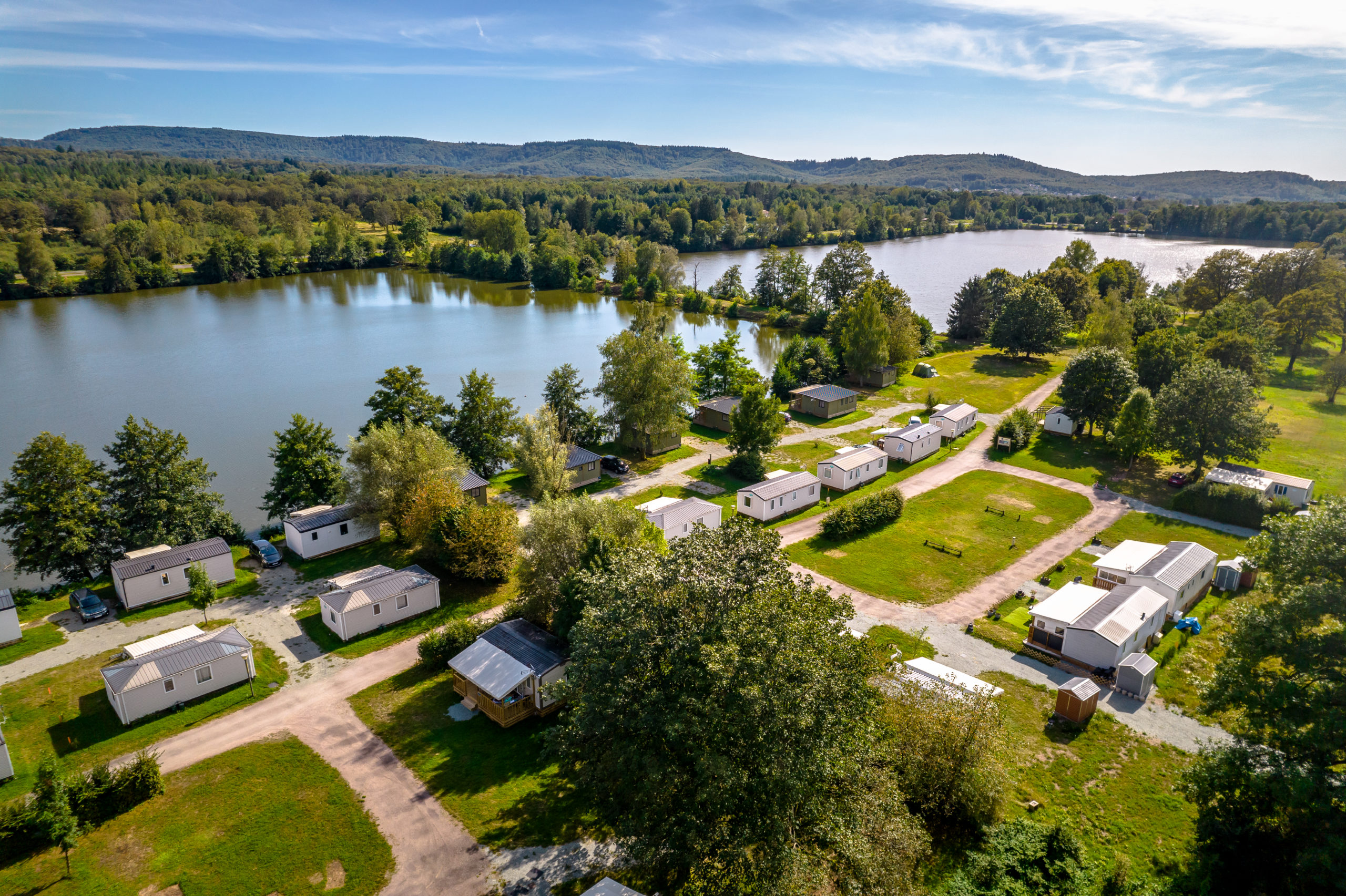
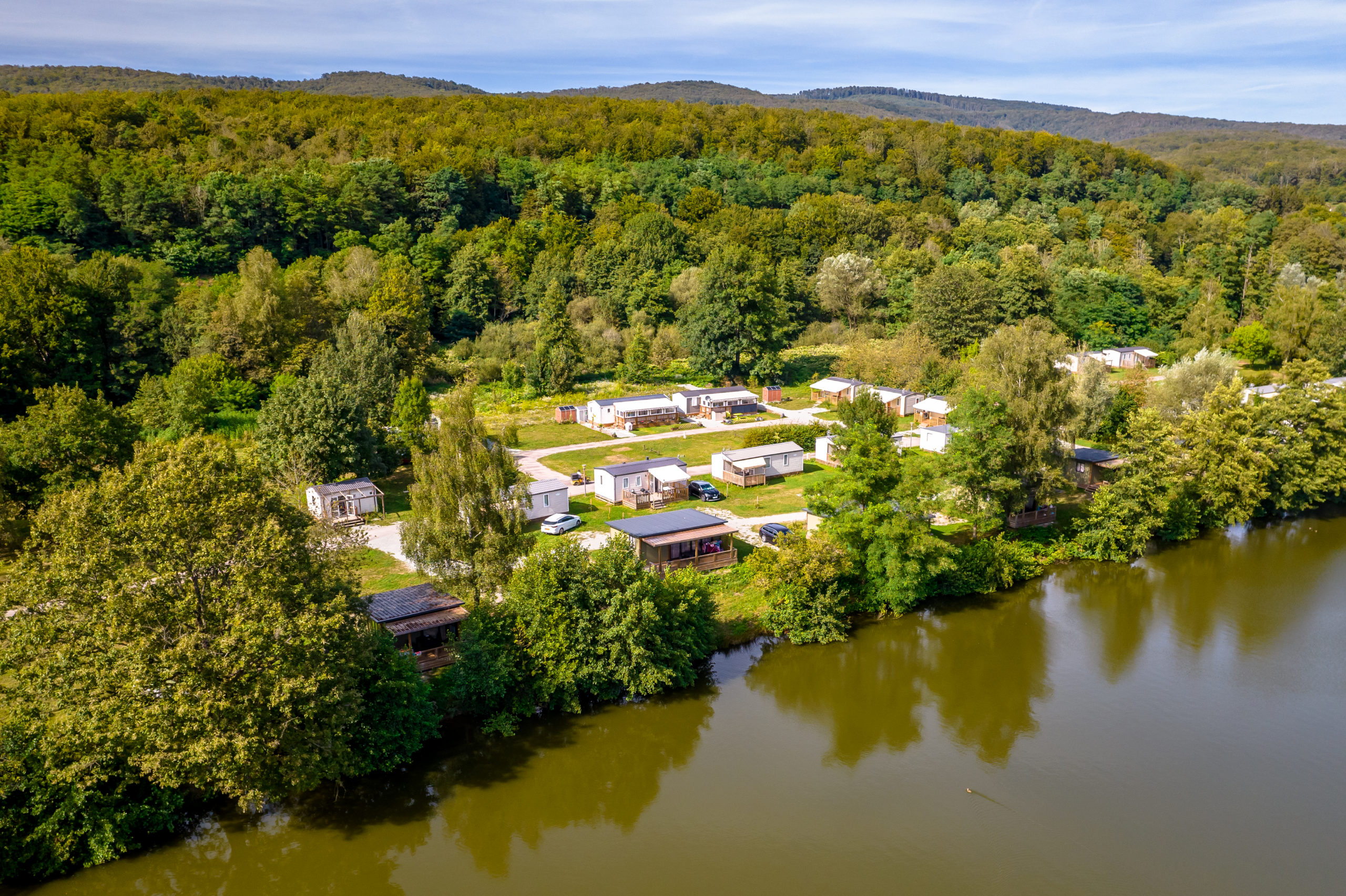
In a few words, the history of Les Ballastières from its origins…
A railway past turned into a haven of relaxation
It all began in the early 1900s…
The Ballastières had been mined since 1910 to extract materials (ballast) for railroads and engineering structures.
At the time, they belonged to Chemins de Fer de l’Est.
Société Drouard de Paris moved in with 70 workers to extract gravel and sand.
At the height of its activity, the mine was home to up to 100 workers.
An excavator was installed in the 1920s, along with bucket chains and a crusher. Pebbles, gravel and sand were produced, as well as crushed materials to stabilize the tracks. A railway spur line served the collieries as well as the ballast pits. Three to four trains left the site every day.
After 1945, only one convoy was operated. Mining ceased in 1950, when the deposit was exhausted. The SNCF then sold the site to the Syndicat Intercommunal de la Base de Plein Air Les Ballastières. This marked the start of the conversion of Les Ballastières from an industrial zone to a leisure and tourism zone.
Until 2015, the Syndicat Intercommunal de la Base de Plein Air Les Ballastières owned the site and ensured its smooth operation. It comprises the communes of Ronchamp, Champagney, Plancher-Bas and Plancher-les-Mines.
Since January 1, 2016, following the application of the NOTRe law aimed at territorial reorganization, the Les Ballastières base has been managed by the Communauté de Communes Rahin et Chérimont.
In June 2022, management of the site became a family affair with Julien, Claire and Michel, originally from Alsace, where you can also discover their Les Castors campsite in Burnaupt-le-Haut. Lovers of nature, tradition and authenticity, their 2 campsites reflect their overflowing imagination, with the aim of guaranteeing the pleasure of their campers…